Monocrystalline silicon modules
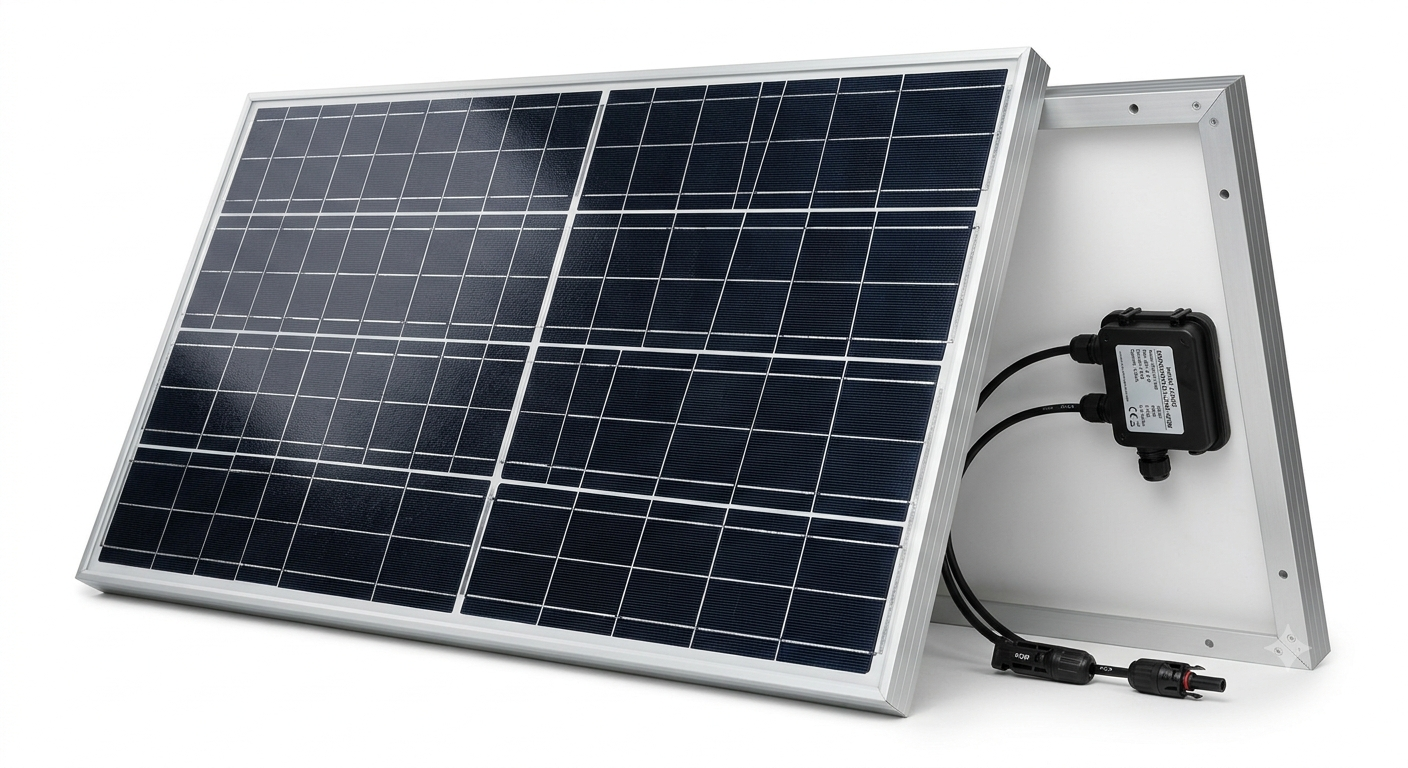
Single-crystal cell modules offering higher efficiency per area. The cell technology, the encapsulant and the frame construction are assessed alongside the electrical output.
Exporting solar panels to Saudi Arabia? BenzilaCert helps manufacturers and importers assess the applicable module classification, IEC 61215/61730 qualification evidence, factory requirements and SABER certification route.
Send to scope a PV module file:
Monocrystalline, polycrystalline, bifacial and thin-film modules are not the same product for certification.
Single-crystal cell modules offering higher efficiency per area. The cell technology, the encapsulant and the frame construction are assessed alongside the electrical output.
Multi-crystal cell modules, commonly supplied at lower cost per watt. The same design qualification and safety tests apply.
Advanced cell-interconnection designs that reduce resistive losses. The module construction may affect the test sample selection for design qualification.
Modules that generate power from both sides. The rear-side gain and the bifaciality factor are additional data points alongside the standard front-side rating.
CdTe, CIGS and amorphous silicon modules, where the cell technology changes the applicable design-qualification test sequences.
PV modules are commonly assessed under the SASO regulation for photovoltaic systems.
Solar PV modules sold in Saudi Arabia are covered by the SASO regulation applicable to photovoltaic products. The IEC 61215 design-qualification standard and the IEC 61730 safety standard form the primary assessment framework.
An existing IECEE CB certificate may support the Saudi assessment, but whether it is accepted as-is depends on the certification body and any national differences. See IECEE certificate for Saudi Arabia for how the CB scheme works.
Crystalline and thin-film modules may classify under different headings.
A shipment mixing crystalline silicon modules and thin-film modules can carry separate classifications. Confirm the exact Saudi HS code before assigning the certification path — see our HS code check.
Seven checks a PV module assessment may draw on.
| Check | What it looks at |
|---|---|
| Design qualification | Thermal cycling, humidity-freeze, damp heat and mechanical load tests per IEC 61215 |
| Safety qualification | Insulation, wet leakage current, accessibility and fire-class tests per IEC 61730 |
| Power measurement | STC flash-test data and the power tolerance declared on the nameplate |
| PID resistance | Potential-induced degradation test where required by the regulation or the buyer |
| Hot-spot endurance | Cell-level stress testing under partial shading conditions |
| Mechanical load | Front and rear load testing at the declared snow/wind rating |
| UV preconditioning | UV exposure prior to the environmental test sequence |
What the IEC 61215 and IEC 61730 reports establish, and what else is needed.
The design-qualification report (IEC 61215), the safety report (IEC 61730), the flash-test data, the bill of materials and the factory identification form the core of a PV module technical file. Existing CB certificates support the assessment where accepted.
Send the module type, rated output, factory identity and existing IEC certificates. We will confirm the applicable route before you commit to testing.
Five steps, from classification to shipment documentation.
Monocrystalline, polycrystalline and thin-film modules may classify under different headings. The Saudi HS code, the cell technology and the rated output determine the route.
Check the applicable SASO PV regulation and whether an IECEE, PCoC or other route applies to the specific module type and factory.
Match the IEC 61215 and IEC 61730 evidence against the declared model, the bill of materials and the factory identity.
Prepare the technical file and apply for assessment. Factory inspection is commonly part of the PV module route.
Each consignment is documented with models, wattage ratings, serial numbers and quantities matching the certification in place.
Driven by the module type, the model family scope and the certification route.
The SABER platform fee, the certification body’s assessment, laboratory testing, factory audit and professional assistance are charged separately.
We quote per file and do not give guaranteed completion dates. See SABER certificate cost for how a quotation is itemized.
Six recurring issues in solar PV module files.
The cell supplier, the encapsulant or the backsheet was changed after the IEC 61215 qualification. A material change may require retesting.
The IEC report was issued for Factory A, but the modules are produced at Factory B. Each factory generally needs its own qualification.
A single test report declared to cover a wattage range wider than the tested samples support. The model family scope must match the evidence.
A bifaciality factor on the datasheet with no rear-side measurement in the test report.
The module label claims 0/+5 Wp tolerance, but the flash-test data does not support the positive end of the range.
An IECEE CB certificate used to support the application has lapsed or been withdrawn by the issuing NCB. The certificate status must be current.
The parent electrical category, the IECEE CB scheme, factory inspection and the certificates a PV module file is assessed toward.
IEC 61215/61730, CB scheme, model families, factory inspection and bill of materials.
Solar PV modules are generally covered by the SASO regulation for photovoltaic systems and require certification registered on SABER. The exact route depends on the module type, the factory and the current rules.
IEC 61215 for design qualification and IEC 61730 for safety qualification are the primary standards. The applicable edition and any additional Saudi requirements are confirmed from the current regulation.
An existing IECEE CB certificate may support the Saudi assessment. Whether it is accepted as-is or requires a supplementary national difference test depends on the certification body and the current rules.
Modules in the same product family — same cell type, same frame, same bill of materials — may be grouped within the tested wattage range. Models with a different BOM are assessed separately.
Factory inspection is commonly part of the PV module certification route, including initial evaluation and periodic surveillance. The scope depends on the scheme.
The product datasheet, IEC 61215 and IEC 61730 test reports, flash-test data, bill of materials, factory identification, existing CB certificates and the Saudi HS code if known.
Send the module type, rated output, factory identity and existing IEC certificates. We will review the classification, confirm the route and identify what evidence is missing.
Tell us the module type, rated output and factory. We reply within one business day with the likely route and what to send next.