SASO (via SABER)
Electrical, building materials, machinery, household and most consumer goods.
Annual Product Certificate (PCoC/PC), then a Shipment Certificate (SCoC/SC) per consignment on SABER.
Before you book freight, confirm the authority, regulation and certificate your product falls under. Share the product name, HS code and country of origin — we name the SABER, IECEE, MIM or SFDA route in writing.

Start an assessment with:
Saudi product compliance means your goods meet the technical regulation that applies to them — and you hold the certificate or declaration that proves it — before the consignment reaches a Saudi port. It is decided product by product, from the HS code outward.
Get the assessment right and certification is routine: one annual product certificate, then a shipment certificate per consignment. Get the HS code or authority wrong and every downstream document is wrong with it.
SASO via SABER covers most goods, SFDA covers food, cosmetics and medical products, MIM covers certain industrial categories. We check all of them so nothing falls between regulators.
Electrical, building materials, machinery, household and most consumer goods.
Annual Product Certificate (PCoC/PC), then a Shipment Certificate (SCoC/SC) per consignment on SABER.
Food, cosmetics, feed, medical devices and pharmaceutical-adjacent products.
Facility registration first, then product notification, then consignment clearance — separate from SABER.
Certain industrial, machinery and regulated manufacturing categories.
Declaration or approval route confirmed per HS code, with testing evidence where applicable.
Telecom, energy-efficiency and niche categories owned by specialist bodies.
Checked during assessment so no product falls between regulators. Named in the assessment outcome.
The same reusable spine used across BenzilaCert. Every assessment walks this sequence — no shortcuts, no assumed routes.
Share product name, photos, catalogue and intended use so the correct category is identified first.
The Saudi HS code decides duty, regulation and which approval route applies. Wrong code, wrong route.
SASO, SFDA, MIM or another regulator owns the product — each runs a separate process.
The technical regulation or standard tied to that HS code and authority is confirmed.
SABER PCoC/SCoC, IECEE recognition, MIM declaration or SFDA notification — whichever the regulation requires.
ISO 17025 testing, factory audit or pre-shipment inspection where the regulation calls for it.
Documents reconciled against the invoice so the consignment clears without holds.
Not every product needs everything below. The assessment names which of these apply to your HS code — and which do not, so you never pay for testing you already have.
Annual product-level certificate on SABER. Covers a model family for one year and is the precondition for every shipment certificate.
Per-consignment certificate raised against a live PCoC and reconciled with invoice, packing list and quantities.
Where the regulation accepts it, an existing CB test certificate shortens SASO testing instead of repeating it.
Declaration or approval for categories under the Ministry of Industry — confirmed per HS code, not assumed.
Facility registration plus per-SKU notification for food, cosmetics and medical products. Never routed via SABER.
ISO 17025 lab reports, factory audits and pre-shipment inspection arranged only where the regulation requires them.
Electrical, building materials, machinery, cosmetics, food, PPE and household products — each with its own authority and evidence pattern.

Appliances, lighting, cables, chargers and controls — usually SASO/SABER with testing.
Cement products, steel, cladding, sanitary ware and insulation under SASO technical regulations.
Industrial machines, pumps, compressors and tools — HS check decides SASO vs MIM route.
SFDA notification with ingredient and label review. Not a SABER product.
SFDA facility registration plus per-product notification. Longest lead time — start early.
Route depends on category and standard — testing evidence is almost always required.
Furniture, cookware, toys and childcare articles — labelling and standard checks apply.
Components, tyres, batteries and accessories checked against SASO automotive regulations.
From product review to a written certification route with timeline and itemised cost — before you commit to anything.
You share product name, photos, catalogue and country of origin. We confirm the category and intended use.
We verify the Saudi HS code — this single step decides authority, regulation and certificate type.
We name the authority and the applicable technical regulation or SFDA/MIM route in writing.
Existing ISO 17025 reports are checked for scope and validity. Only missing tests are quoted.
Invoice, datasheets, COO and artwork are reviewed for consistency before submission.
You receive the route, timeline and itemised cost — PCoC/SCoC, IECEE, MIM or SFDA — before committing.
A draft invoice is enough to start. These are reconciled for consistency before any submission — most holds are paperwork disagreements, not product problems.
Where the regulation requires it, we arrange ISO 17025 accredited testing and pre-shipment or factory inspection with a written report. Existing reports are checked for scope, edition and validity first — only gap tests are quoted, never blanket retests.
Audits assess whether your process can reproduce the product that was tested: traceability, calibration, controlled documents and closed non-conformances.
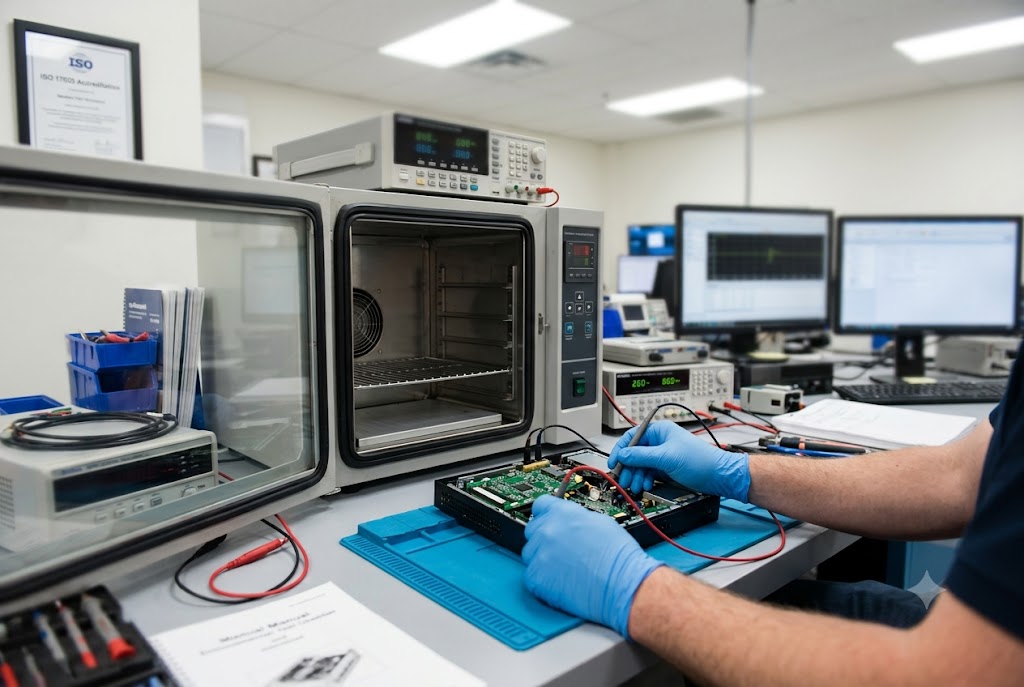
SABER requests run under the importer's account, but the evidence comes from the exporter. Clear split, no stalled files.
Almost every rescue case we see comes from one of these six.
The most expensive error — it points at the wrong regulation, so the certificate issued does not cover the goods.
Reports outside validity or from a lab without the right ISO 17025 scope are rejected at review.
Arabic declarations, model numbers or origin statements that disagree with the documents stop clearance.
Missing datasheets, model lists or manufacturer declarations stall the PCoC before testing even starts.
Food and cosmetics do not go through SABER. Filing them there wastes weeks before SFDA restart.
Shipments cannot raise an SCoC against a lapsed PCoC. Renewal should start 90 days out.
One product, end to end — how assessment prevents the classic HS-code mistake.
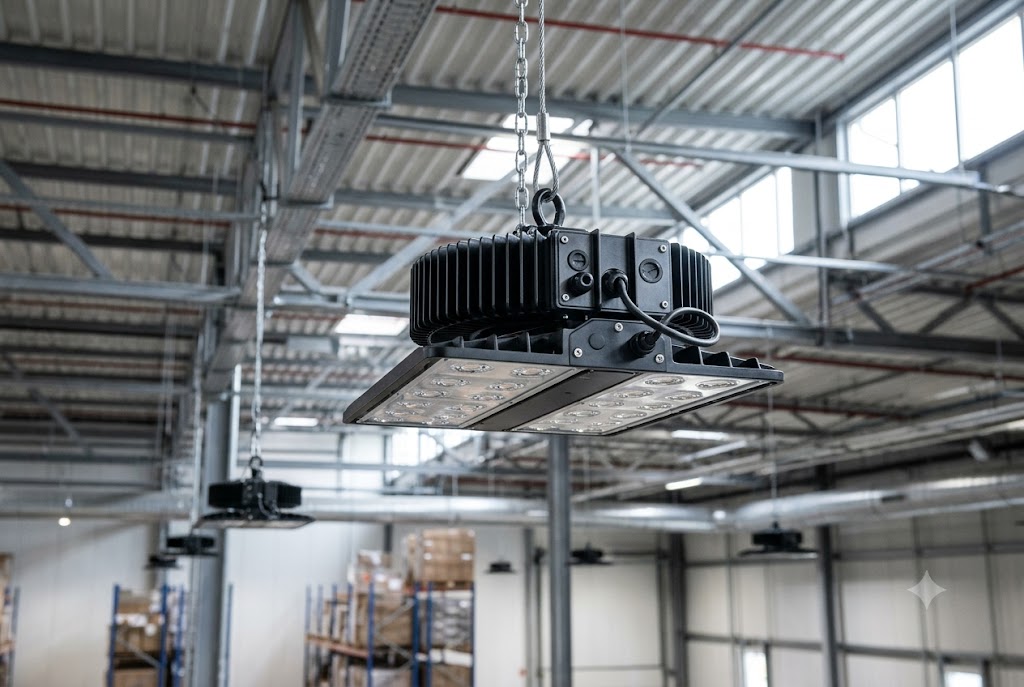
Exporter shares datasheet, wattage range, driver specs and photos. Proposed HS code: 9405.40.
HS confirmed under SASO lighting regulation. Authority: SASO via SABER. IECEE route available.
Existing CB report covers safety but not the current EMC edition — one gap test quoted, not a full retest.
PCoC for the model family (annual), then SCoC per shipment. Labels updated with Arabic origin strip before print.
Compliance is the diagnosis. These are the treatments — plus the shipment-side companion page.
Regulatory questions answered. Shipment and customs questions live on the import requirements page.
It means your product meets the Saudi technical regulation that applies to it — and you hold the certificate or declaration that proves it — before the goods arrive at a Saudi port.
The Saudi HS code plus the product category decides it: SASO via SABER for most industrial and consumer goods, SFDA for food, cosmetics and medical products, MIM for certain industrial categories. Our assessment names the authority in writing.
The PCoC (Product Certificate) covers a model family for one year. The SCoC (Shipment Certificate) covers one specific consignment and can only be raised against a live PCoC.
Often yes. If the lab is ISO 17025 accredited for the relevant scope and the report covers the applicable standard edition, we reuse it and quote only the gap tests.
It does not replace certification, but where the regulation accepts the CB route an existing CB certificate shortens testing significantly instead of repeating everything.
Product name, catalogue or datasheet, photos, proposed HS code if you have one, country of origin, and any existing test reports. A draft invoice is enough at assessment stage.
Requests are raised under the Saudi importer’s SABER account tied to their Commercial Registration. You supply the technical file; we coordinate both sides so neither waits on the other.
Assessment takes days once product data is complete. The PCoC typically takes 3–10 working days on complete evidence; add 1–3 weeks if new lab testing is needed.
The consignment is held at the port while certificates are raised retroactively — with storage charges accruing — and that is only possible if the underlying PCoC exists.
Yes. Shipment certificates, pre-shipment inspection, labelling review and customs coordination are covered — see our Saudi import requirements page for the shipment-side checklist.
Product name, HS code and country of origin is enough to start. You get the authority, regulation and certificate route in writing.