Saudi importer registration (CR)
The consignee needs a valid Saudi Commercial Registration. SABER requests and clearance run under this identity.
A practical, shipment-oriented checklist for exporters and Saudi importers: importer registration, HS code, commercial documents, product approvals, labelling and customs clearance — in the order customs will check them.

Every shipment needs:
Most Saudi customs delays are not product failures — they are paperwork disagreements. The consignee name, HS code, quantity, weight and value must be identical across the invoice, packing list, certificate of origin and conformity certificate, and the conformity certificate must exist before the goods arrive.
This page is the shipment-side companion to product compliance: it assumes the regulation is known and walks the documents, approvals and checks that get one specific consignment released.
Six items every Saudi-bound shipment file must contain, whoever supplies them.
The consignee needs a valid Saudi Commercial Registration. SABER requests and clearance run under this identity.
Values, quantities, models and HS codes exactly as they will appear on the certificate and at customs.
Weights, dimensions, carton counts and marks reconciled line-by-line with the invoice.
Origin stated explicitly and matching the invoice, labels and conformity certificate.
Catalogue, datasheet and model list with the Saudi HS code that drives duty and regulation.
SABER SC/SCoC, SFDA consignment clearance or applicable approval — existing before the vessel arrives.
One code, three consequences: the duty rate, the technical regulation, and the certificate customs will ask for. Confirm it from product use — not from the duty you hope for.
Confirm the Saudi HS classification from datasheet and product use — not from the duty rate you hope for.
The code sets the customs duty and tax treatment applied at the Saudi port of entry.
The same code points at the technical regulation and the authority that owns it (SASO/SFDA/MIM).
Certificate type follows from the code: SABER PCoC/SCoC, SFDA notification, or MIM route.
SASO goods clear on SABER shipment certificates, SFDA goods on consignment notification, MIM goods on their declaration route. Mixed containers plan paperwork per product line.
Most industrial, electrical, building and consumer products.
Annual product certificate live, then a shipment certificate per consignment raised before arrival.
Food, cosmetics, feed and medical products — never SABER.
Facility + product already notified; consignment notified ahead of arrival with import permit at port.
Industrial categories under MIM or specialist regulators.
Declaration or approval confirmed per HS code during assessment; evidence attached to the shipment file.
The conformity document must be live before arrival. Retroactive issuance runs while storage accrues.
Raised per shipment against a live PCoC. Quantities and models must match the invoice exactly.
For food, cosmetics and medical goods: consignment notification with prior facility and product registration.
Where accepted, CB evidence shortens the underlying product certificate the shipment relies on.
Attached to the shipment file for MIM-route categories so customs sees a complete record.
Quantity, marking and packing verified before dispatch where the certificate or buyer requires it.
Product check first, customs release last. Book freight only after steps one to three are complete.
HS code, authority and regulation confirmed. Certificate route and testing gaps named before any booking.
Invoice, packing list, COO, datasheets and labels reconciled — one consistent story across every page.
Product certificate live; shipment certificate or SFDA consignment notification raised and registered.
Goods dispatched with marks, labels and packing matching the certified file. Inspection where required.
Saudi Customs verifies the SC/permit electronically against the cargo and releases the consignment.
Three piles, one story. Reconcile every line against the commercial invoice before dispatch.
Technically compliant goods are still held for artwork defects. Review before the print run.
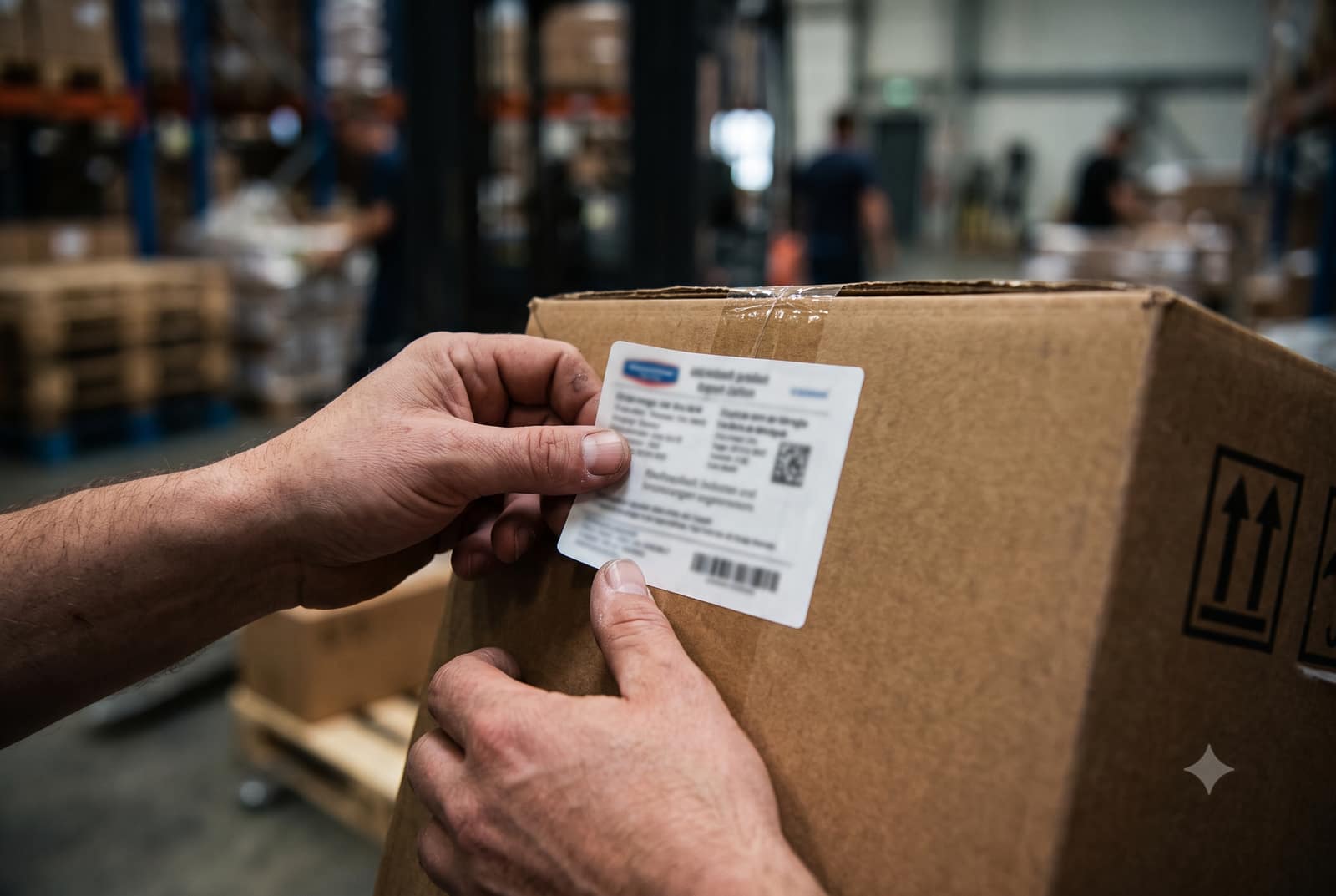
Regulated SASO categories need accredited evidence. SFDA routes rely on registration — but evidence still applies.
Regulated SASO categories need accredited evidence against the applicable standard edition before a PCoC issues.
ISO 17025 reports with the right scope and edition are usually accepted — send them for a gap check first.
SFDA routes rely on registration and notification rather than SABER testing, but shelf-life and label evidence still apply.
Run this the day before dispatch, not the day the vessel arrives.
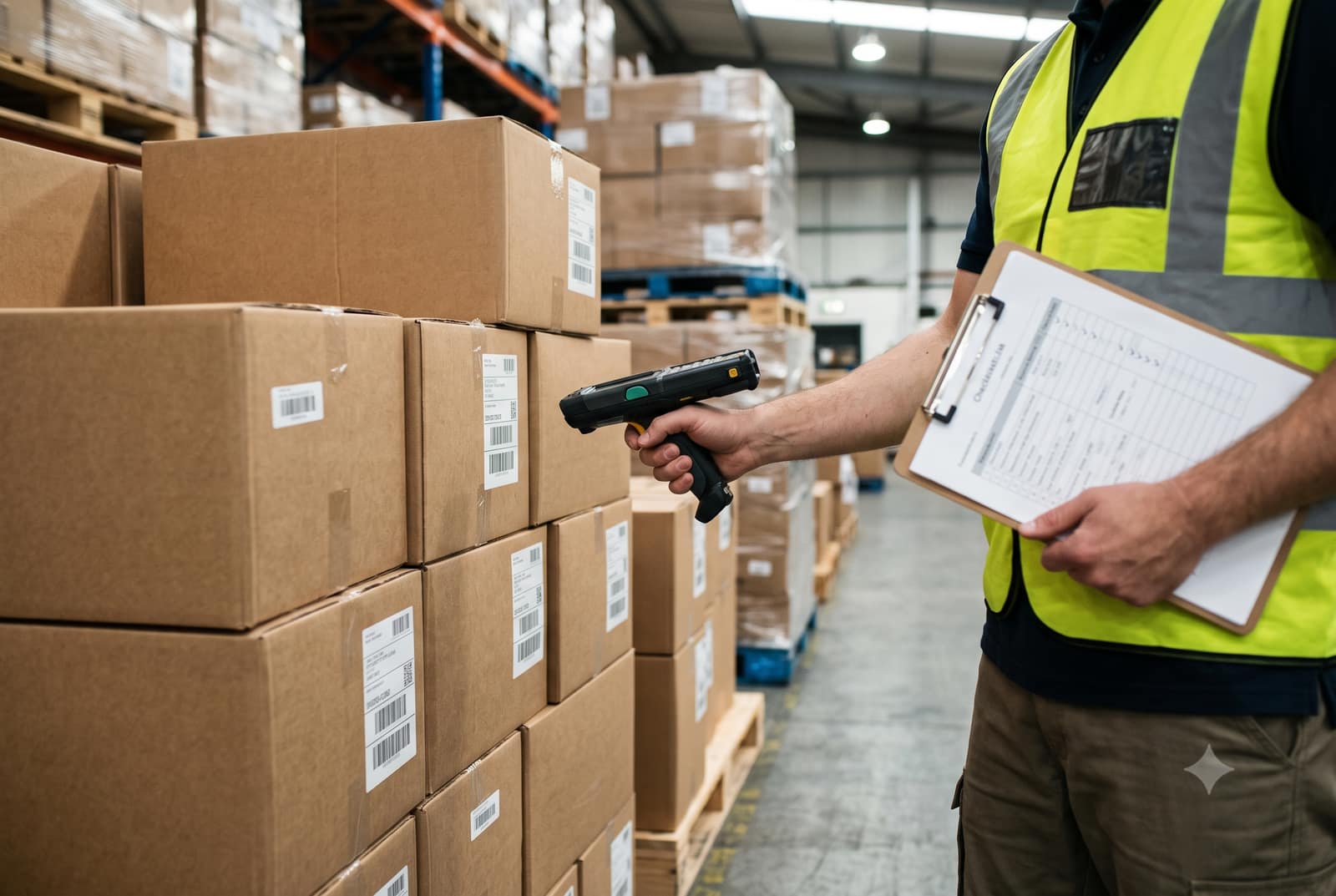
Every item below is a paperwork disagreement we have seen stop a container.
Duty disputes plus a certificate that points at the wrong regulation — double delay at the port.
Models or quantities on the certificate differ from the invoice by even one line.
Value, weight or consignee name disagrees across invoice, packing list, COO and certificate.
No valid CR means no SABER request and no clearance — usually discovered too late.
Raising approvals after arrival is sometimes possible, but storage accrues every day it takes.
Technically compliant goods held for artwork defects — cheapest problem to prevent, common to see.
Same Saudi-side compliance, plus India-origin specifics handled in the same file — targeted here because a large share of our assessment requests come from Indian exporters.

Ten points. If all ten are true, the shipment is ready to book.
From regulation check to broker handover — linked so future HS, SFDA and MIM pages plug straight in.
Shipment and customs questions answered. Regulatory what-applies questions live on the product compliance page.
At minimum: commercial invoice, packing list, bill of lading or air waybill, certificate of origin, and the applicable conformity certificate (SABER shipment certificate or SFDA consignment clearance). The importer also needs a valid Commercial Registration.
One code drives three outcomes: the duty rate, the technical regulation that applies, and the certificate type customs will ask for. An optimistic classification usually creates a certificate mismatch later.
Yes — the product certificate must be live and the shipment certificate or SFDA permit should be raised before the goods arrive. Retroactive issuance is sometimes possible but runs while port storage accrues.
The request is raised under the Saudi importer’s SABER account, but the exporter supplies the technical file, test evidence and consistent commercial documents. We coordinate both sides.
Documents that disagree with each other: HS codes, quantities, values or consignee names differing between invoice, packing list, COO and certificate. Reconcile everything against the invoice before dispatch.
Yes. Mandatory declarations must appear in Arabic using accepted terminology and date formats. Bilingual labels are accepted. Artwork review before printing is far cheaper than a label hold.
India-origin shipments need the same Saudi-side compliance, plus a correctly issued Indian certificate of origin and invoice consistency. Share your product, HS code and draft invoice and we will confirm the route, duty-relevant classification and certificate before you book freight.
A mixed container is possible but each product follows its own route: SABER certificates for SASO goods, SFDA notifications for food/cosmetics. Plan the paperwork per product line, not per container.
Yes — tariff classification review, document reconciliation, shipment certificates, inspection coordination and broker handover are handled as one file with a single account manager.
Send the product name, photos or catalogue and country of origin. We confirm the HS code, name the authority and certificate, and give an itemised quote — that assessment is the fastest way to de-risk the shipment.
You get the HS confirmation, document gaps and certificate route itemised before you book freight.