SASO — the authority
- Saudi Standards, Metrology and Quality Organization
- Writes the technical regulations and the standards
- Sets the rules, but does not issue certificates
- Also runs the SALEEM conformity programme
SABER is the platform. Two certificates come out of it: the PCoC certifies your product for a year, and the SCoC releases one shipment. This page explains both, and the five steps between them.

For a certificate quote we need:
SABER is the online platform SASO uses to check product conformity. Every certificate for goods entering Saudi Arabia is applied for, paid for and issued on this platform.
People often say "the SABER certificate" as if it were one document. There are two, and each one does a different job. One certifies your product. The other releases your shipment.

One writes the rules. The other applies them. People use the two names as if they were the same thing.
Eight terms you will meet on every file. Same meaning each time, wherever you read it.
A SABER certificate is a document. It has a number, an issue date and an expiry date.
SABER certification is the whole process behind that document: assessment, testing, registration and issue.
When someone says certification is slow or expensive, they usually mean the process, not the paper.
If no technical regulation covers your HS code, there is nothing to certify against — but the shipment still needs a certificate.
Tip
Every certificate is raised under the Saudi importer’s SABER account. That account is tied to their Commercial Registration (CR).
The exporter supplies the product file and the test evidence. The importer applies, pays and signs.
Without an appointed importer you cannot finish a certificate. Appoint one before you start.
A technical regulation is the Saudi rulebook for one product group. It names the standards, the tests and the certificate route.
If a technical regulation covers your HS code, your product is regulated. If none covers it, no product certificate is issued.
Regulations change over time. The edition in force on the day of assessment is the one that applies to you.
Different scope, different lifespan, different failure mode.
Five steps, from the HS code to a container that clears.
Confirm the code and whether a technical regulation covers it. This decides everything that follows.
Gather test reports, datasheets and label artwork. Testing is added only where evidence is missing.
The importer creates the product record with the model list and the regulation.
A SASO-approved body reviews the file and issues the product certificate.
For each consignment, raise the shipment certificate against the live PCoC before customs.
Each of these lines is checked against your shipment documents at clearance. If one of them disagrees, the goods wait.
A product certificate is narrower than most exporters expect — in time, in models and in who may use it.
A PCoC runs a year from its issue date, not from your first shipment. Certify too early and you spend validity before the product moves.
Nothing reminds you. We start renewal around 90 days out, so new testing does not collide with a booked sailing.
The certificate names one Commercial Registration. A second distributor needs their own certificate for the same goods.
A variant that is not on the list is not covered. Adding models mid-year is an amendment, and far cheaper than a rejected shipment.
Shipment certificates cannot be raised against an expired product certificate. The goods wait while the PCoC is rebuilt.
SASO samples goods already on sale. A failure there reaches back to the certificate and to the importer named on it.
There is no flat fee, and a quote given before the HS code is a guess. These six variables set the number.
The regulation sets the assessment scheme, and the scheme sets the work. Two similar products can differ several times over in cost.
The largest variable. A valid CB report in scope removes most of it. No accredited evidence adds weeks and the bulk of the invoice.
Certificates are raised per family. A broad catalogue grouped sensibly costs less than one certified line by line.
Some schemes require an audit of the factory. Where it applies, plan for the cost and the lead time.
Arabic text, energy cards and rating plates are cheap to fix before a print run and expensive to fix at the port.
The SCoC is a small fee per shipment, but it recurs. Frequent small shipments cost more than a few large ones.
Run these on any certificate handed to you by a supplier or an agent. They take minutes.
A genuine certificate shows on SABER against its number. A PDF that cannot be found there is not a certificate.
Confirm the body holds SASO approval for that technical regulation. Approval is scope-bound.
The code on the certificate must match the code on the customs declaration. This is the most common mismatch.
Every model in the container must appear on the certificate. Customs reads the list literally.
The CR on the certificate must be the importer of record on the shipment. Certificates do not transfer.
The PCoC must be live on the day the shipment certificate is raised, not only on the day of manufacture.
A live PCoC covering the right models is still not enough if the retail pack is wrong. Arabic declarations, origin statements, energy cards and the model number on the rating plate are all read at clearance and in the market.
We proof artwork against the certificate before the print run — matching model numbers, origin wording and Arabic text to what the certificate says.
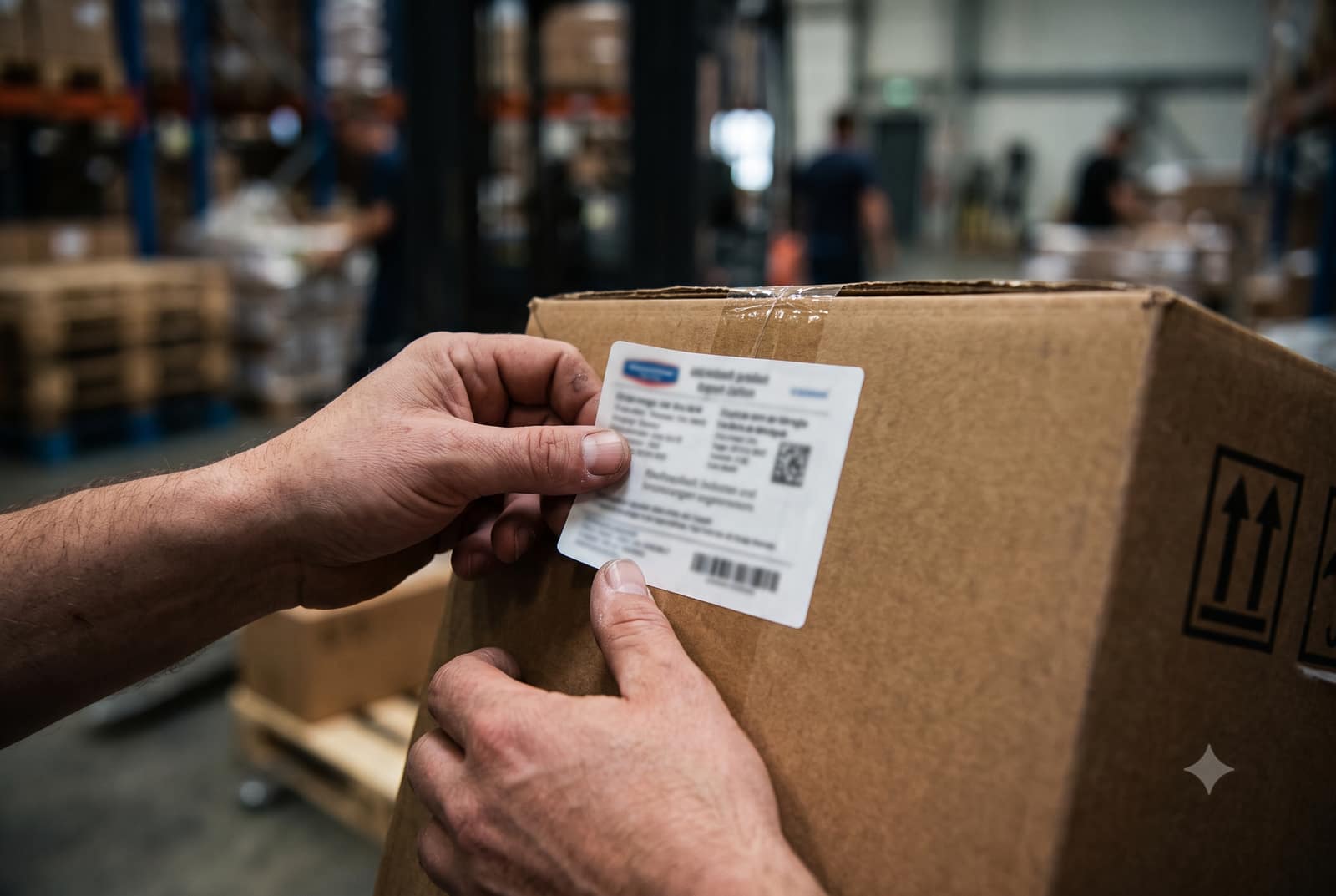
In almost every case the product was fine. The certificate simply did not describe it.
Model numbers, quantities or descriptions that disagree stop the clearance even when the goods are correct.
The certificate then covers the wrong rule. The assessment has to be redone, not just corrected.
Certified in time, shipped in time, still stopped — because the shipment certificate was raised after the PCoC lapsed.
A body certifying outside its SASO approval produces a certificate that will not stand at review.
One extra variant added late to fill a container holds the whole consignment.
Certificates with no technical review behind them fail on verification, and the importer carries the cost.
A cookware exporter with four product lines, moving from one trial shipment to regular monthly runs.

Twenty-two products grouped into two families by construction and material, halving the certificates needed.
Existing test reports were accepted in scope. One family needed current testing on the coating.
Two PCoCs issued under the importer’s SABER account, each naming its full model list.
Monthly SCoCs raised against the invoice, with model lists checked against the packing list first.
Both certificates diarised for renewal at 90 days, so the standards check happens before a sailing is booked.
The certificate is the output. These cover the rule behind it, the application in front of it and the shipment around it.
Scope, validity, cost and verification. The application procedure is answered on the how-to-apply page.
It is the conformity certificate issued through SABER, the Saudi platform run by SASO. There are two kinds: the Product Certificate (PCoC), valid one year for a product family, and the Shipment Certificate (SCoC), raised for each shipment.
SABER is the name of the platform itself. It is not an acronym. SASO, PCoC and SCoC are the terms around it: the authority, the product certificate and the shipment certificate.
SASO is the authority. It writes the regulations and standards. SABER is the online platform it runs, where certificates are applied for, issued and verified.
The PCoC certifies the product against its regulation and lasts a year. The SCoC certifies one shipment and is what customs looks for at clearance. An SCoC can only be raised against a live PCoC.
A Product Certificate is valid twelve months from its issue date. A Shipment Certificate covers only the consignment it was raised for, so each shipment needs its own.
It depends on the regulation, the test evidence you already hold, how many model families need certifying and whether an audit applies. The shipment certificate is a small fee per consignment. We quote it all, itemised, before you commit.
Requests are raised under the Saudi importer’s SABER account, which is tied to their Commercial Registration. The exporter supplies the technical file and test evidence. We coordinate both sides.
No. A certificate names one importer’s Commercial Registration and does not transfer. A new distributor gets their own certificate, on the same evidence.
Check the certificate number on the SABER platform. Then confirm the issuing body is approved for that regulation, and that the HS code, model list and importer CR all match your shipment documents.
Regulated products need both a PCoC and an SCoC. Products with no applicable regulation get no product certificate, but still need a shipment certificate on self-declaration. Your HS code decides which side you are on.
With a complete and current file, the PCoC is usually issued in three to ten working days. New laboratory testing adds one to three weeks. A shipment certificate against a live PCoC is usually same or next working day.
The consignment is held. If a valid PCoC exists, the shipment certificate can often be raised while the goods wait, with storage accruing. With no product certificate behind it, the options are re-export or destruction.
Send the product, the model list and the HS code. You get the regulation, the evidence gap, the timeline and an itemised cost — before you commit.