How long it takes
The importer account opens within a working day once the CR is verified. Product records are created the same day the HS codes and model list are confirmed.
Register your importer account and each product correctly before applying for PCoC. Wrong details here mean rework later — and rework means delay.

Quick Answer
What it is: Two registrations on SABER — the importer account, then a product record for each product family.
Who needs it: Exporters and importers bringing regulated products into Saudi Arabia.
Before what: Registration happens first. The PCoC is raised against the product record.
To register we need:
Six things. Missing any of these stops registration midway, with a sailing already booked.
Four steps, in this order. The HS code comes first — it decides the regulation.
The code decides which regulation applies. Confirm it before anything is registered.
Create the product record with description, brand, model list and origin.
The platform indicates the technical regulation. We verify it against the text.
Raise the PCoC request against the clean record. That step belongs to the certificate page.
Important
Both depend on one thing — how clean your inputs are before we start.
The importer account opens within a working day once the CR is verified. Product records are created the same day the HS codes and model list are confirmed.
Platform fees apply per product registration. Certification is billed separately — we quote both before you start.
None of these fail at registration. They fail months afterwards, at the port, with stock on the water.
A code chosen to look simple or reduce duty registers the product against the wrong regulation, and every certificate raised from it is wrong too.
Registering the two bestsellers and adding the rest "later" means the rest cannot ship until the record is amended and re-reviewed.
Convenient at the time, immovable afterwards. The certificate is tied to that company, and switching importers means starting again.
A trading name on the record and a factory brand on the rating plate is a mismatch a reviewer will stop on.
The platform indicates a regulation from the code you typed. If the code is arguable, so is the indication — it is a prompt to verify, not an answer.
Food, cosmetics and medical products belong to SFDA. Registering them here wastes the setup and delays the process that actually applies.
Send the importer details, HS codes and model list. We confirm the codes, group the range sensibly and raise clean records the first time.
Registration means two different things depending on who is asking.
The importer registers once — an account on the platform, tied to a Saudi Commercial Registration. Then each product family is registered as a record under that account, carrying its HS code, brand, model list, manufacturer and origin.
Neither is a certificate. Registration is the scaffolding certificates are hung from, which is why errors here are so expensive: a certificate raised against a flawed record inherits every flaw in it, and the correction is a reassessment rather than an edit.
The Saudi company that will import the goods — done once, then reused for every product and shipment.
Opened on the SABER platform against a valid Commercial Registration, with a national address, verified contact details and an authorised user identity.
Each product family the importer intends to bring in — the record a certificate is later raised against.
A product record is created with HS code, description, brand, model list, manufacturer and country of origin. The platform then indicates the technical regulation the code falls under.
Eight steps, and the first three are decisions rather than data entry.
The account belongs to the Saudi importer of record, not the exporter or the agent. Settle this first — certificates raised under the wrong CR do not transfer later.
The importer registers on the platform against their Commercial Registration and national address, with an authorised user identity attached.
Before any product record is created. The code determines the technical regulation, so registering under a convenient code registers the wrong obligation.
Models are grouped into families by construction and standard rather than by catalogue page. Good grouping here decides how many certificates you pay for all year.
Description, brand, model list, manufacturer and origin are entered against the confirmed code. The platform then indicates the applicable regulation.
Regulated or not regulated is the fork in the road. We check the platform’s indication against the regulation text rather than accepting it blind.
Test reports, datasheets, artwork and declarations are checked for scope, edition and internal consistency before anything is submitted.
With the record clean, a SASO-approved conformity body is selected and the product certificate request is raised against it.
Each of these is read against your invoice, your packing list and the goods themselves.
To full Saudi tariff depth. Everything else in the record is downstream of this field, and a wrong code invalidates the certificate that follows it.
Specific enough that a reviewer can match it to the goods and to the invoice. Vague catalogue language is a common cause of technical-review queries.
Must match the marking on the product and the packaging. Where the brand is owned by a third party, evidence of the right to use it is asked for.
Every variant intended for shipment. A model missing from the list is not covered, and adding one later is an amendment rather than an afterthought.
Named site, not just a trading company. Where the scheme requires an audit, this is the address that gets audited.
Must agree with the certificate of origin and the invoice. Disagreement between these three documents is a standard clearance hold.
The account cannot sit with the exporter and the evidence cannot come from the importer.
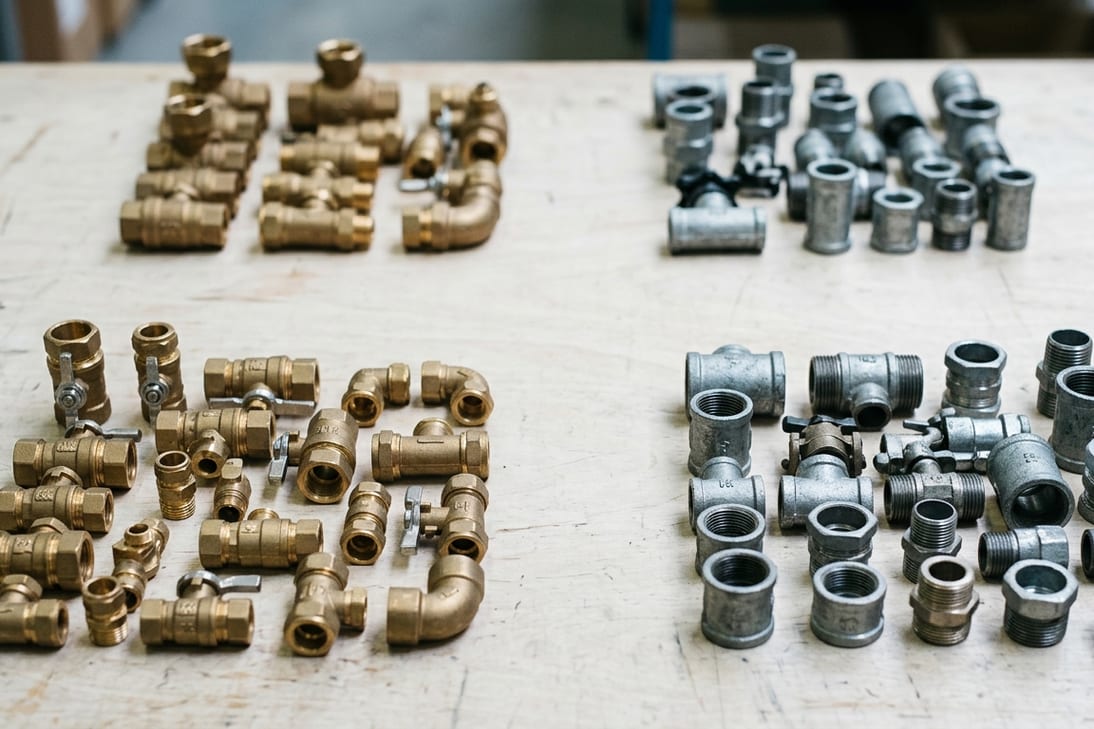
A European valve and fittings manufacturer registering for the first time, with a catalogue of over sixty line items and a newly appointed Saudi distributor.
The distributor’s Commercial Registration was confirmed active and in a relevant activity before any record was created, avoiding a rebuild later.
The catalogue spanned three tariff headings, not one. Two headings fell under a technical regulation; the third did not.
Sixty-plus line items grouped into four families by material and pressure rating, reducing the certificate count without overreaching any single scope.
Four product records created with full model lists, the named factory and origin matching the certificate of origin wording.
Files went to an approved conformity body with evidence already checked for scope and edition — no technical-review queries on first submission.
Registration is the setup. These cover what you settle before it, and what happens after.
Accounts, records and model lists. Certificate questions are answered on the SABER certificate page.
It is the setup that precedes certification: opening the Saudi importer’s account on the SABER platform, and creating a product record for each product family with its HS code, brand, model list, manufacturer and origin. Certificates are then raised against those records.
The Saudi importer. The account is tied to their Commercial Registration, so it cannot be held by a foreign exporter. The exporter supplies the product data and test evidence that populate the records.
A confirmed Saudi HS code, a clear product description, the brand or trademark, the full model list you intend to ship, the manufacturer’s name and factory address, and the country of origin. Get the HS code confirmed before anything else — it decides the regulation.
No. Registration creates the account and the product record. The certificate is a separate step in which a SASO-approved conformity body reviews the technical file and issues the Product Certificate against that record.
Yes, and it should. Models are grouped into a family by construction and applicable standard. Sensible grouping reduces how many certificates you pay for, but a model that is genuinely different cannot be forced into a family it does not belong to.
Opening the importer account is typically quick once the Commercial Registration and identity details are in order. Product records can be created the same day the HS codes and model lists are confirmed — most of the elapsed time is spent settling those inputs, not on the platform.
The record can be corrected, but anything already certified against the old code has to be reassessed. This is exactly why the code is confirmed before the record is created, not after.
Send the importer details, your HS codes and the model list. We confirm the codes, group the range sensibly and raise clean records the first time.