A machine is a product, not a project
Capital equipment enters against an HS code, a technical regulation and a certificate, exactly like a consumer good. A purchase order for a plant does not change how customs reads the container it arrives in.
A production line leaves your factory as one thing and arrives in Saudi Arabia as four — a machine, a control panel, a motor and something under pressure. Each can carry its own HS code, its own regulation and its own evidence, and the certificate that covers only the machine is the one that holds the shipment.
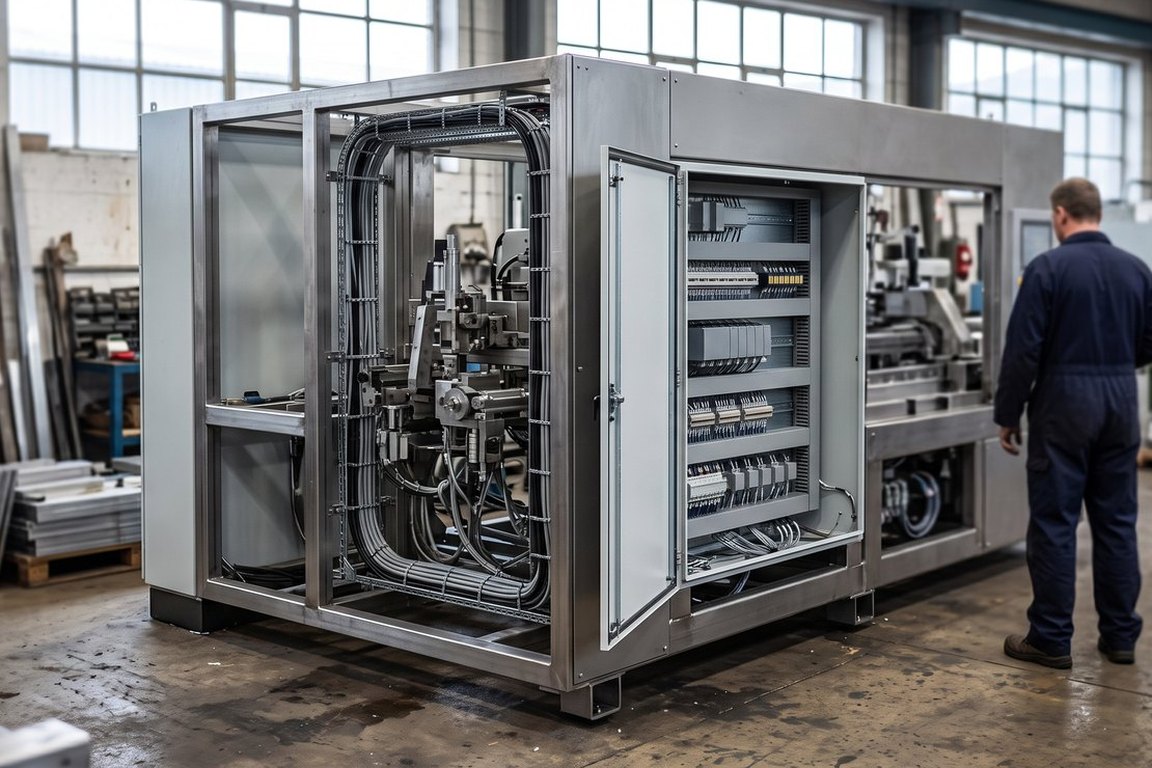
Capital equipment is certified like any other product, and almost everything else about it behaves differently.
Capital equipment enters against an HS code, a technical regulation and a certificate, exactly like a consumer good. A purchase order for a plant does not change how customs reads the container it arrives in.
A production line arrives as a machine, a control panel, motors and sometimes a pressure vessel. Each sub-assembly can carry its own regulation, its own standards and its own evidence.
Machinery safety evidence is built from a documented hazard analysis and the protective measures that answer it — not from a single pass or fail on a test bench.
Operating and maintenance instructions in Arabic, carrying the safety content the standards require. On machinery this is assessed rather than waved through.
Certain industrial and manufacturing equipment sits with the Ministry of Industry and Mineral Resources alongside the SASO route. Confirmed from the code, never assumed from the product name.
Second-hand and refurbished machinery meets restrictions and conditions that do not apply to new goods. Settle it before the equipment is bought, not in the week it ships.
Eight families, each with its own evidence pattern. Most real machines draw on two or three of them at once.
Packaging lines, food processing plant, printing, textile and plastics machinery — assessed as a complete machine, with every sub-assembly documented rather than assumed.
The switchgear assembly inside the machine carries its own safety and EMC requirements. On bespoke equipment it is routinely the part with no evidence at all.
Cranes, hoists, forklifts and conveyors, where load testing and marking requirements sit on top of the general machinery file.
Vessels, boilers, compressors and receivers, with their own design, material and inspection evidence — often on a longer route than the machine surrounding them.
Frequently sold as components into larger installations, and just as frequently shipped without the documentation the installation will eventually need.
Excavators, loaders, concrete plant and road equipment, with noise, emissions and operator protection requirements added to the base file.
Instruments under the IEC 61010 family, where an existing CB certificate often covers the whole safety scope and leaves only marking to close.
Bench and portable equipment — the highest-volume, most model-heavy part of a machinery catalogue, and the part where correct grouping saves the most money.
Five steps. On bespoke equipment they belong in the build programme rather than after it, which is the whole difference between an easy machine file and a hard one.
A Saudi HS code for the machine, and separate codes for any sub-assembly shipped on its own invoice line. Control panels, motors and pressure parts are regularly classified apart from the machine they belong to.
SASO through SABER for most equipment, with MIM checked on industrial categories and CITC where the machine carries wireless telemetry. A second regulator found late is the most expensive omission in this sector.
The risk assessment, the standards applied against it, test reports for the electrical and pressure elements, and each protective measure documented against the hazard it answers.
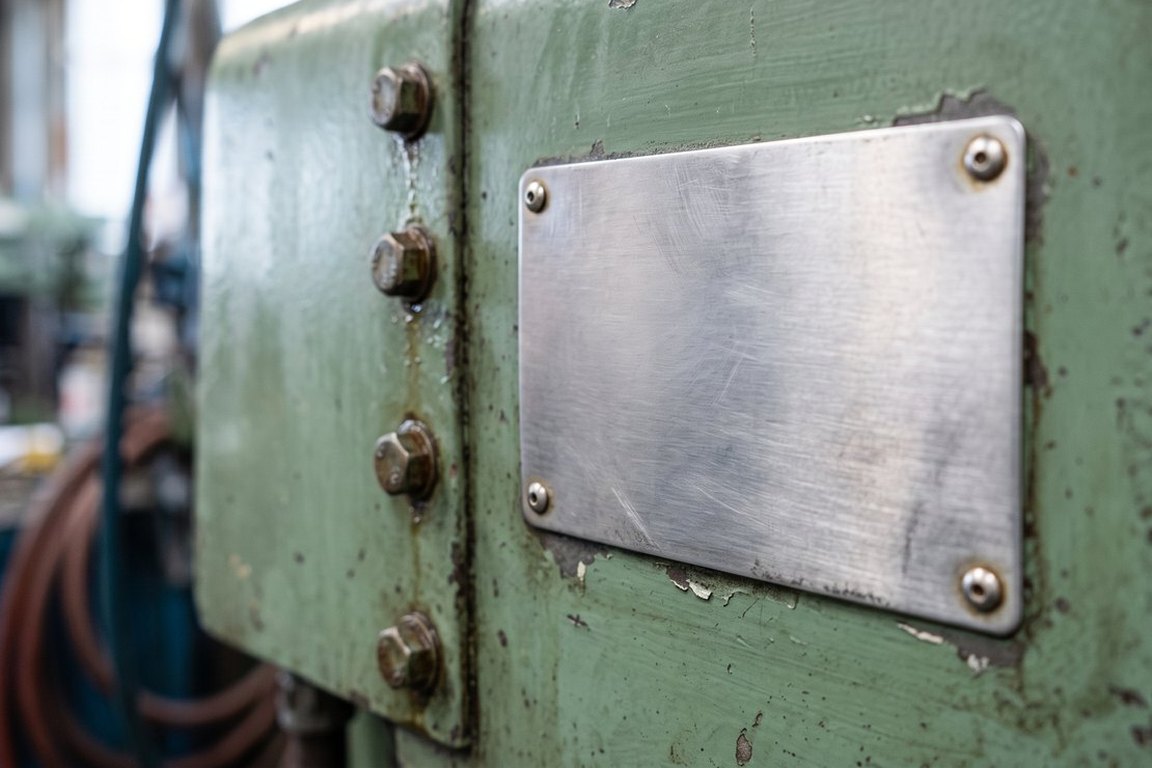
Rating plate content, warning markings and an Arabic operating and maintenance manual, proofed against the regulation while the machine is still on the factory floor.
The product certificate is raised under the importer’s SABER account, then a shipment certificate per consignment — which for a machine split across several containers is a planning exercise, not a clerical one.
Eight items. The risk assessment holds the file together; the manual and the nameplate are what get left until the week of shipping.
A European packaging-line builder shipping a bespoke line to a Saudi food plant — five containers, one purchase order.
The line classified as four distinct HS codes: the filler, the conveyor, the control panel and a small air compressor. Three technical regulations rather than the one everybody had assumed.
The compressor brought pressure equipment requirements the machinery file did not address, on a noticeably longer evidence route than the rest of the line.
The control assembly had been built in-house with no test evidence whatsoever. It was tested as a sub-assembly rather than re-engineered, which kept the build schedule intact.
Arabic operating and safety sections were produced while the line was still on the factory floor, so crating was never held up by a translator.
Certificates covering all four items, with the five containers reconciled to a single invoice structure agreed before the first one was loaded.
Six failures specific to capital equipment, and each one is cheaper to prevent during the build than to solve at the port.
The machine is fully documented and the switchgear assembly inside it is not. It is a product in its own right under the electrical requirements, and it stops the certificate on its own.
Arabic operating and safety instructions are part of the requirement. Translating two hundred pages is not a task anyone wants to discover in the week of shipping.
Shipped in six containers, certified as a single item, then reconciled against six invoices naming six different things. The certificate is right and the shipment documents contradict it.
The SASO route completed correctly while a second regulator held a claim on the category. The consignment clears the first check and stops at the second.
On bespoke equipment the evidence is cheapest to assemble during design. Retrofitting a risk assessment to a finished machine is slow, awkward and occasionally impossible.
The Machinery Directive file is genuinely useful evidence and it is not a Saudi certificate. The declaration carries no standing; the reports behind it carry most of the value.
The electrical file inside the machine, the industrial route beside it, and the inspection some schemes require.
Sub-assemblies, CE files, Arabic manuals and used equipment — the four questions machine builders always ask.
Most industrial and workshop machinery does. The Saudi HS code selects the technical regulation, and regulated machinery needs a product certificate on SABER plus a shipment certificate per consignment. Capital equipment is not exempt because it is bespoke or because it forms part of a larger project — customs assesses the container, not the contract.
Because the invoice and the customs tariff do. A control panel, a motor, a pressure receiver and the machine itself can each fall under a different HS code, and therefore under a different regulation with different evidence. Treating a line as a single item is what produces certificates that do not reconcile against the shipping documents.
As evidence, in part. The EU declaration of conformity has no legal standing in Saudi Arabia, but the risk assessment, the harmonised standards applied and the test reports behind it usually close a substantial share of the requirement. What remains is normally the Saudi standards where they diverge, the Arabic manual, rating plate content and the electrical sub-assembly evidence.
Yes, for the operating and safety content. It is part of the assessed file rather than a courtesy, and on complex equipment it is the item most often left until last. Start it while the machine is being built and it costs nothing; start it at crating and it holds the shipment.
It is assessed in its own right. A switchgear or control assembly carries electrical safety requirements and, where it contains drives or inverters, EMC requirements too. Panels built in-house by machine builders are the single most common gap we find, because nobody thinks of them as a separate product until the conformity body does.
Sometimes, under conditions, and the conditions vary by category and by the age of the equipment. It is not a question to answer after the machine has been bought. Establish it from the HS code and the equipment’s age at the point you are negotiating the purchase, because the answer occasionally is no.
It depends on the conformity assessment scheme the regulation sets. Some machinery routes rely on type testing and documentation alone; others call for a production visit. It is settled at classification, and where it applies it needs scheduling early because it involves someone travelling to your site.
By technical similarity — same construction, same safety principles, same standards, with variants differing in capacity or configuration rather than in kind. Getting the grouping right is the largest cost lever on a model-heavy catalogue such as power tools. It is decided before filing, and a variant left off the list cannot be added to a shipment later.
Yes, where it transmits. Telemetry modules, wireless diagnostics and remote monitoring bring the equipment within CITC type approval alongside the machinery requirements. It is easy to miss because the radio is a component someone else supplied, and it is checked from the specification rather than from the machine’s description.
At design, not at dispatch. The risk assessment, the component choices, the rating plate data and the manual are all cheaper to produce as part of the build than to reconstruct afterwards. On one-off equipment the certification schedule and the build schedule should be the same document.
Send the specification and the sub-assembly list. We classify the machine and its parts, name every regulator with a claim, and tell you which evidence you already hold before the build schedule is set.