A second approval, not an alternative one
A connected product needs telecom approval for the radio and conformity certification for the product itself. Neither substitutes for the other, and a file that answers only one is half finished.
A connected product answers to two regulators at once: the telecom authority for the radio, and the conformity system for the product. The radio side turns almost entirely on which bands the device uses and at what power — a question worth answering before the production run, not after it.
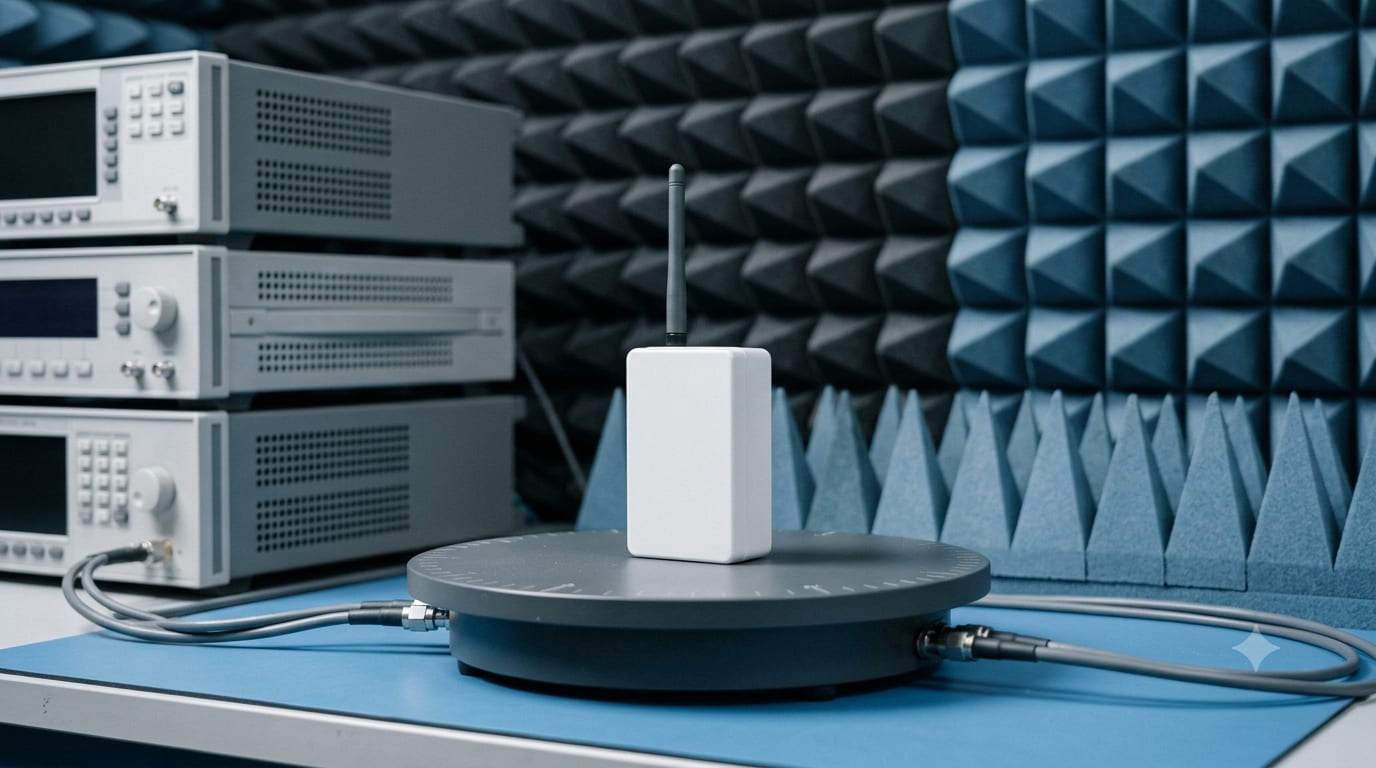
Send to check a connected device:
Six things that decide a radio file, and the last one is a commercial decision rather than a technical one.
A connected product needs telecom approval for the radio and conformity certification for the product itself. Neither substitutes for the other, and a file that answers only one is half finished.
Approval turns on which frequencies the device transmits in, at what power. A band that is licence-exempt elsewhere can be restricted or prohibited here, and no amount of test evidence changes that.
Two variants that share a case but carry different radio modules are two approvals. Conversely, a range built on one certified module is usually one file with the variants declared against it.
The radio report covers spectrum behaviour, EMC covers interference, and safety covers the product as electrical equipment. Body-worn and handheld devices add an exposure assessment on top.
Once granted, the registration is reflected on the device or its packaging as the rules require. It is also what a customs officer or an inspector looks up when the goods arrive.
Applications run through a Saudi entity — importer, distributor or a local representative. Overseas manufacturers do not file into this system directly, which is a sequencing problem when no importer is appointed yet.
If there is an antenna in the product, assume it is in scope until the classification says otherwise.
Routers, access points, speakers, headphones, wearables and the enormous long tail of consumer electronics with a short-range radio inside.
Phones, modems, routers and any module connecting to a mobile network, assessed against the bands the Saudi networks actually operate.
Metering, tracking, sensing and industrial telemetry, including low-power wide-area technologies whose band availability varies more between markets than manufacturers expect.
Readers, gates, tags and payment terminals. Reader power and frequency are the questions here, and they differ by region more than the technology suggests.
Unmanned aircraft and their controllers carry aviation and security requirements alongside the radio approval, and the combination should be scoped before any purchase commitment.
Professional radio equipment, where licensed spectrum brings the end user’s licence into the picture as well as the equipment approval.
Ground equipment of any kind, assessed more strictly than consumer radio and normally involving additional authorisation for the service as well as the hardware.
Televisions, air conditioners, white goods and toys with a radio module inside. The radio still needs approval even when connectivity is a minor feature of the product.
Five steps. Step two is where a programme is saved or lost, and it costs nothing but an afternoon.
Frequency bands, channel plan, output power, antenna gain, duty cycle and the module part number. This is the technical core of the application, and it comes from the radio module maker rather than from marketing material.
Each band is compared with the local spectrum position, including power limits and any local restrictions. Where a band is unavailable, the answer is a firmware or hardware change, not a stronger application.
Radio, EMC and safety reports, plus an exposure assessment for body-worn and handheld products. Existing reports from recognised schemes are often usable if they cover the bands and the configuration actually shipped.
The importer, distributor or appointed representative submits with the technical file, product photographs, manuals, block diagrams and the declaration set. Appointing that entity early keeps this from becoming the bottleneck.
The approval is reflected on the product as required, and the SABER product certificate for the electrical side proceeds in parallel so both are in hand before the goods ship.
Ten items. Most exporters hold seven of them already, for another market, in a configuration that has to be checked.
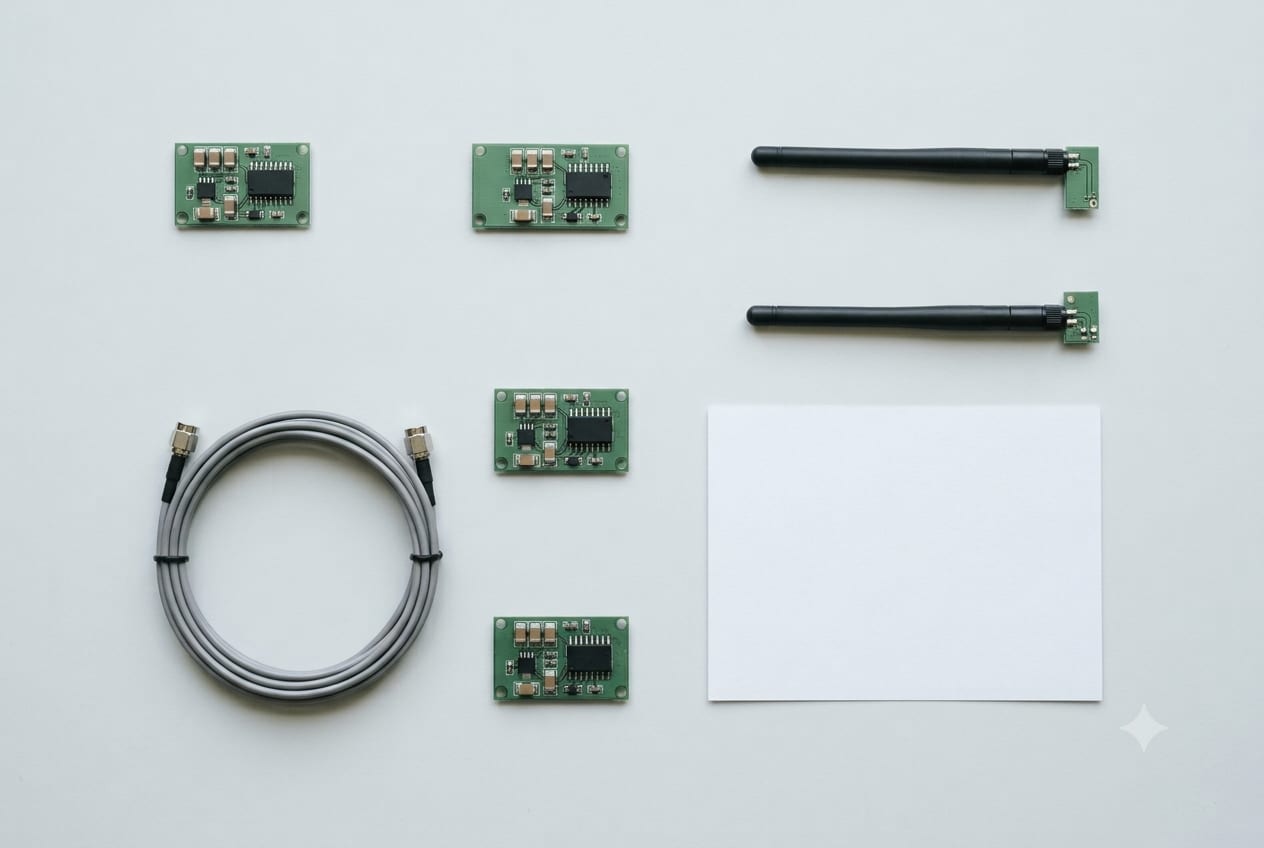
A smart home manufacturer shipping four connected devices — two Wi-Fi, one with an additional sub-GHz radio, one with a cellular module — into Saudi Arabia for the first time.
The four products carried six distinct radio configurations between them, not four. The file was scoped on the radios rather than on the product count.
The sub-GHz product used a band unavailable locally. The manufacturer had an alternative regional variant and switched the model offered here to it.
Existing radio and EMC reports covered most configurations. Only the regional variant needed new radio testing, in its as-shipped firmware setting.
The appointed distributor submitted as applicant, with photographs and manuals prepared in advance so the filing itself took days rather than weeks.
Telecom approvals and SABER certificates landed in the same fortnight because they were run in parallel from the start.
Six failures. The first is a design problem, the fourth is a contract problem, and the fifth stops a container.
A device built around spectrum that is licence-exempt in its home market and restricted in Saudi Arabia. Discovered after production, it is a firmware change at best and a redesign at worst.
The same band, permitted, but at a lower ceiling than the device transmits at. Regional firmware exists for exactly this reason — it just has to be set and declared before testing, not afterwards.
A second-source radio module fitted for supply reasons. The approval describes the configuration that was tested, and a different module is a different product.
The technical file is complete and nobody can submit it. Where the importer is still being negotiated, the approval waits on a commercial decision rather than a technical one.
The telecom approval is granted and the shipment is still stopped, because the product also needed its SABER certificate. Two regulators, two files, one consignment.
The approval is granted but the required marking never reaches the artwork. It is checked at the port and in the market, and correcting it after the run means relabelling stock.
The conformity file that runs alongside this one, and the local entity that has to hold both.
The radio side specifically. The product conformity it runs beside is answered on the SABER pages.
It is the approval a radio or telecom device needs before it can be imported and used in Saudi Arabia, covering the frequencies it transmits in, the power it transmits at and its behaviour on the spectrum. The regulator is now the Communications, Space and Technology Commission — the successor to CITC, which is still the name most exporters search for.
Anything that transmits: Wi-Fi and Bluetooth devices, cellular equipment, IoT and telemetry modules, RFID and NFC readers, drones and their controllers, two-way radios, satellite terminals, and ordinary appliances that happen to have a radio inside. If there is an antenna in the product, assume it is in scope until the classification says otherwise.
No, and this is the most expensive misunderstanding in the category. The telecom approval covers the radio; the SABER product certificate covers the product as regulated goods. A connected appliance needs both, and a consignment arriving with only one of them does not clear.
Often, in substantial part. What matters is whether the reports cover the exact bands, power settings and configuration being shipped here. Where the device is sold with regional firmware, the evidence has to describe the setting that will actually leave the factory for this market.
Then the device as built cannot be approved, and the route forward is technical rather than administrative — a firmware restriction, a regional variant or a different module. This is why the band check is the first step rather than a formality after testing, and why it should happen before production for this market is committed.
Applications run through a Saudi entity — normally the importer, the distributor or an appointed representative. An overseas manufacturer does not file directly. Where the importer has not been appointed yet, the approval effectively waits on that commercial decision, so it is worth settling early.
Per product model, described by its radio configuration. A range built around one certified module is usually handled as a single file with variants declared against it, while two models carrying different modules are two separate approvals even when they look identical from the outside.
It is a new configuration and needs its own approval. Second-sourcing a module for supply reasons is common and entirely legitimate, but the approval describes what was tested, and shipping a different module against it is shipping an unapproved product.
With complete evidence covering the right bands, filing and assessment is usually a matter of weeks. The delays that actually occur are upstream: a band problem found late, a missing Saudi applicant, or radio reports that cover a different regional setting from the one being shipped.
The approval is reflected on the device or its packaging as the rules require, and it is checked at the port and in the market afterwards. Because it affects artwork and tooling, the marking requirement is settled before the production run rather than after approval is granted.
Send the frequency bands, the declared power and the radio module details. We check them against the Saudi position, tell you which existing reports are usable, and scope the conformity file that has to run alongside.