Office chairs and desks
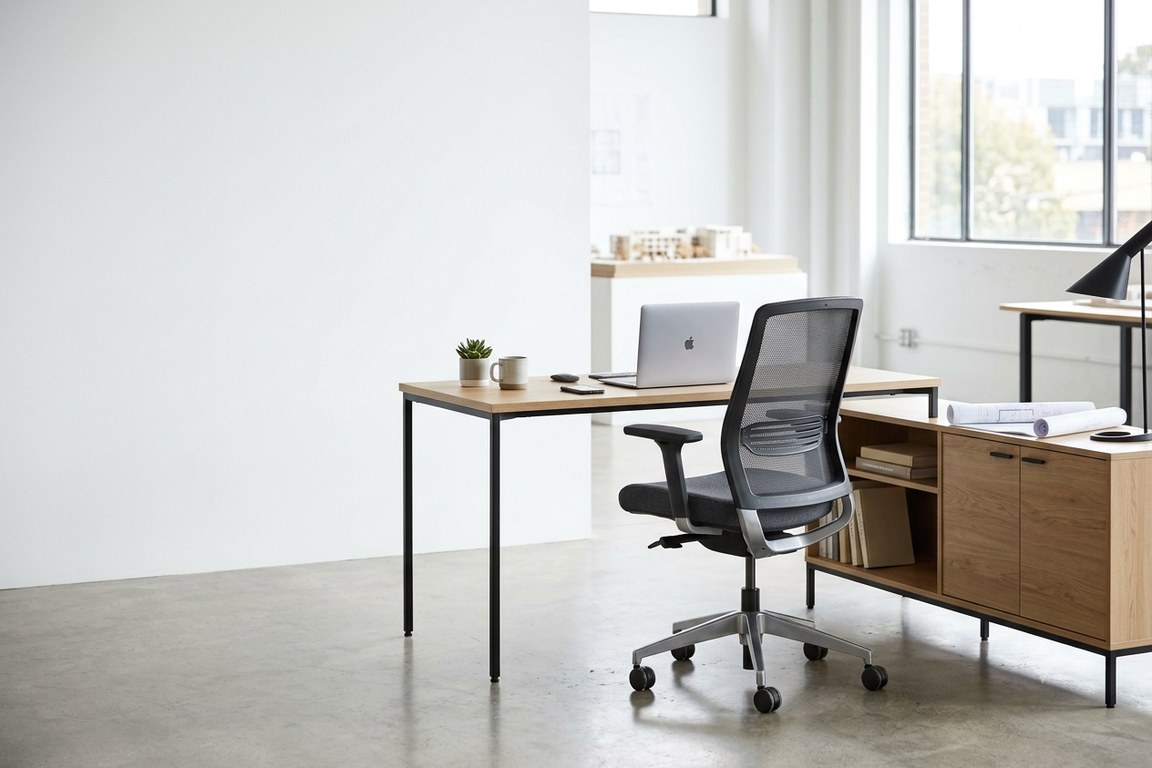
Task seating, executive chairs, desks and workstations. Gas lift, castors, frame and mechanism are part of what defines a task chair, not optional detail.
Exporting furniture to Saudi Arabia? BenzilaCert helps manufacturers and importers check applicable product rules, materials, model details, labels and supporting certification documents before shipment.
Send to scope a furniture file:
Send the exact product description, intended use, Saudi HS code if available, manufacturer and technical specifications. Related items may need different classifications or certification routes.
Task seating, executive chairs, desks and workstations. Gas lift, castors, frame and mechanism are part of what defines a task chair, not optional detail.
Sofas, dining chairs, bed frames and tables for domestic use, where construction and intended user matter as much as the material.
Cabinets, lockers, shelving and wardrobes. Panel material, finish and fixing method carry the specification.
School, hospital, hospitality and public-space furniture, often supplied against a project specification that adds its own requirements.
Fabric, foam and composite panel construction, where the material composition is the part of the declaration most often left incomplete.
Furniture requirements depend on intended use, material, construction and classification.
Furniture is a broad category that behaves differently inside itself. A task chair with a gas lift, a melamine-faced wardrobe and an upholstered sofa are not one product for certification purposes, and the applicable rules follow the intended use, the material, the construction and the HS classification rather than the word on the catalogue page.
For that reason this page does not state that all furniture needs identical testing, a PCoC, a factory audit or particular labelling.
The full Saudi HS code, the product specifications and the intended use together determine which technical regulation applies and which assessment route follows from it. No universal code is published here for the furniture family, and no approval is promised across it — see our HS code check.
Where the product is regulated, a Product Certificate of Conformity and shipment documentation may be required. For other products a different registration or declaration route may apply. Additional sector approvals or a factory assessment are discussed only once they are verified for the particular product — see PCoC versus SCoC for how the two certificates differ.
The question that decides how a furniture consignment is declared.
Furniture is often sold as a set — a bedroom suite, a conference table with its chairs, a desk with a pedestal and a screen. On the invoice that set may appear as one line, and the assumption follows that one certification covers it.
Each separately supplied item is worth checking first. A set sold and shipped as a single product is a different proposition from a set assembled out of individually traded pieces, and the pieces can classify separately. Where the scope is unclear, it is confirmed with the certification body before the consignment is declared as one item.
Material composition is part of the declaration
On upholstered and composite-material furniture, the frame, foam, fabric and panel material each form part of what the product is. An incomplete composition is one of the most common reasons a furniture file comes back with questions.
A preliminary preparation list — the final evidence set is decided by the applicable regulation.
This is what lets an assessment start. The certification body and the applicable Saudi regulation determine the final technical evidence, and existing reports are not guaranteed to be accepted — what counts is whether they cover the product actually being supplied. See technical documentation review for how a file is checked before submission.
Send the product types, materials and model list. We will review the likely classification and what evidence the route calls for.
Five steps, from product details to shipment documentation.
Product name, specifications, photographs, the manufacturer and the Saudi HS code if you have it. A model list matters more here than on most categories.
Identify which Saudi rules apply to the item as supplied, the certificate route behind them, and how the product range groups.
Check test reports, model coverage, labels, documents and manufacturer consistency against the route.
Arrange testing, a factory assessment or other approvals only where the applicable scheme actually calls for them.
Coordinate with the authorized Saudi importer and the approved conformity assessment body, as applicable to the product.
Driven by the size of the model range and the evidence already held.
The total depends on the SABER platform charges, the certification body’s review, any testing, an inspection where the scheme calls for one, and the agreed professional support. Timelines depend on the scope, the evidence and reviewer availability. On furniture, a long model range with thin specifications is usually what extends a file.
We quote once the actual product has been reviewed, and we do not promise guaranteed approval or a fixed turnaround. See SABER certificate cost for how a quotation is itemized.
Six recurring issues in furniture files.
The producing factory on the test report is not the manufacturer on the application or the supplier on the invoice. Confirm the actual producer and keep the records consistent.
A description that says “office chair” with no frame material, foam specification or model code. Prepare the specifications model by model.
Evidence issued against a different frame, mechanism or upholstery than the one being shipped. Review the product and test scope together.
Items added to the consignment that were never part of the assessed range. Check each line before the goods move.
A bedroom or office set entered as one line, when the individual pieces may classify and be assessed separately.
Carton labels, model codes and the declared material read against each other and against the documents.
The parent service page, the classification check, and the certificates a furniture file is assessed toward.
PCoC obligations, chair testing, grouping models, upholstery, factory inspection and declaring a set.
No single route applies to all furniture. Whether a product needs a SABER product certificate depends on its Saudi HS code and the regulation that code falls under, so the classification is verified first. Some furniture lines are regulated; others follow a different registration or declaration route.
It depends on the product type and the requirements that apply to it. Where a route calls for evidence, durability, stability and strength testing to the applicable standard are the usual subjects — but testing is not a general obligation across the furniture category.
Only where the relevant assessment and the approved certificate scope allow it. Models sharing a construction and a material specification are easier to group than a mixed catalogue, and the scope is confirmed by the certification body before you ship against it.
It can. Material composition — frame, foam, fabric and any composite panel — and the applicable safety evidence may differ from a bare metal or wooden item, so the declaration has to describe what the product is actually made of.
No. It applies where the conformity assessment scheme requires it, and that is checked against the product rather than assumed from the category. See our factory inspection page for how a visit is arranged.
Review each separately supplied item first. A set sold as one product and a set assembled from individually traded pieces are not the same thing on an invoice, and the appropriate certification route is confirmed per item before the set is declared as one.
Send your product details and existing technical documents. We will check the applicable Saudi requirements and prepare the next steps with the authorized parties.
Tell us the furniture type, intended use, materials, brand and model count. We reply within one business day with the likely route and what to send next.