SABER Certificate forElectric Space Heating Equipment
Oil-Filled Radiators, Panel Convectors, Fan Heaters, Radiant Heaters & Towel Rails
A space heater is the one appliance whose hazard is its purpose, so the file is decided by the abnormal tests — covered, obstructed, tipped over, thermostat shorted — rather than by the normal ones. We establish which of those apply before the heater evidence is collected.
- CertificatePCoC / SCoC*Product Certificate of Conformity & Shipment Certificate
- PCoC CostUSD 300
- Processing Time2–3 Working Days
- SADAD FeesPaid by Importer
Product & Regulation
HS Code
HS 8516
Electric space heating apparatus and electric soil heating apparatus, which is where a convector, a fan heater, a radiant heater, an oil-filled radiator and a heated towel rail all sit. A non-electric stove or kerosene heater falls under 7321, a reverse-cycle air conditioner that also heats under 8415, and an underfloor heating mat may be read as 8516 or as a heating cable under 8544 depending on construction. The Saudi code runs longer than four digits and is confirmed from the construction and the declared function, not from the product name.
Regulation
Safety requirements for household and similar electric room heating appliances, covering accessible surface temperatures in normal use, the behaviour of the appliance when covered, obstructed or tipped over, the overheat protection and whether it resets itself, the continuous full-load duty on the cord, plug and switching, and the energy efficiency and labelling scope that applies to electric heating; candidate pending verification
Candidate review point, not a declaration that this route applies. Confirmed against the current regulation and model scope before anything is claimed.
Product
A household or commercial electric space heating appliance whose declared output is produced by a resistance or radiant element. A reverse-cycle air conditioner that also heats, a gas or kerosene heater and a fixed storage heater are different product classes
What the assessment reads the product as, which decides the evidence it asks for.
Types of Electric Space Heating Equipment
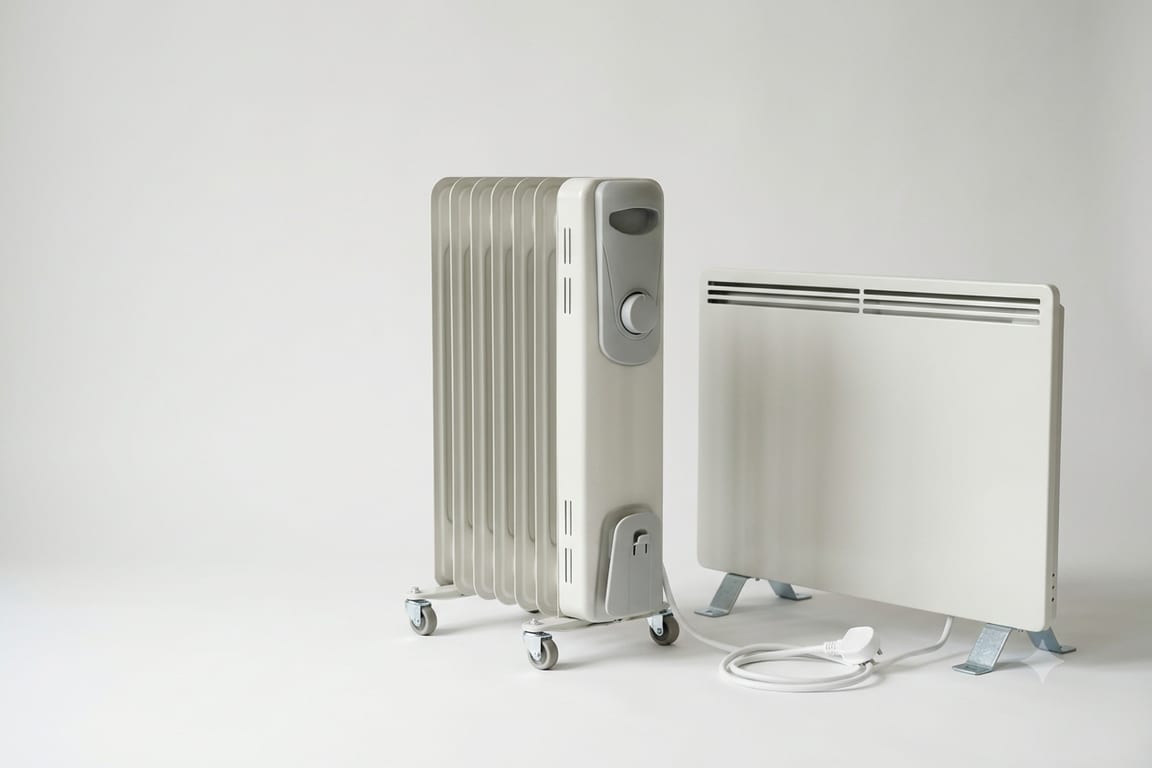
Oil-filled column radiators
Sealed radiators holding a thermal fluid heated by an immersed element. The fluid is part of the product: a sealed enclosure that is heated and expands brings a pressure question to an appliance file.
Panel convectors and skirting heaters
Flat wall or free-standing convectors working on natural airflow through a slot grille. The grille is the air path, so the obstructed test is the one that decides the design.
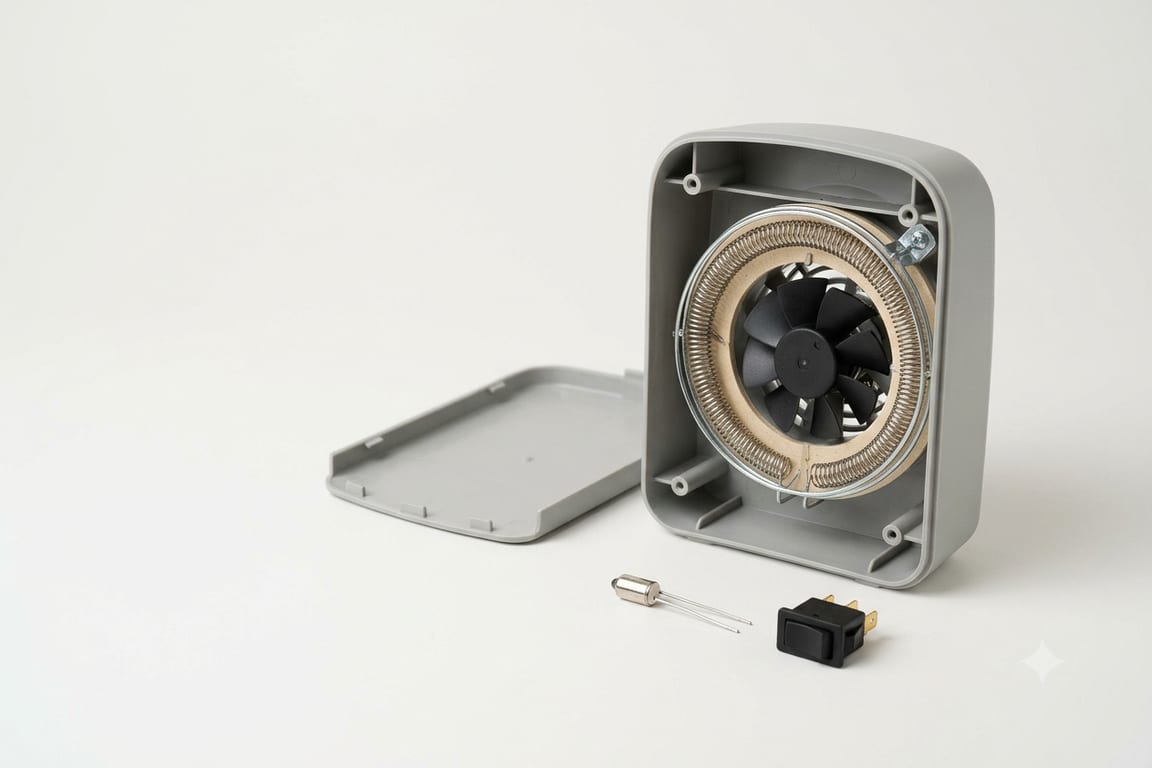
Fan heaters and portable blowers
Forced-air heaters with an element behind a fan. Two failure modes in one body — the element can stay live when the fan stops, which is what the overheat cut-out exists for.
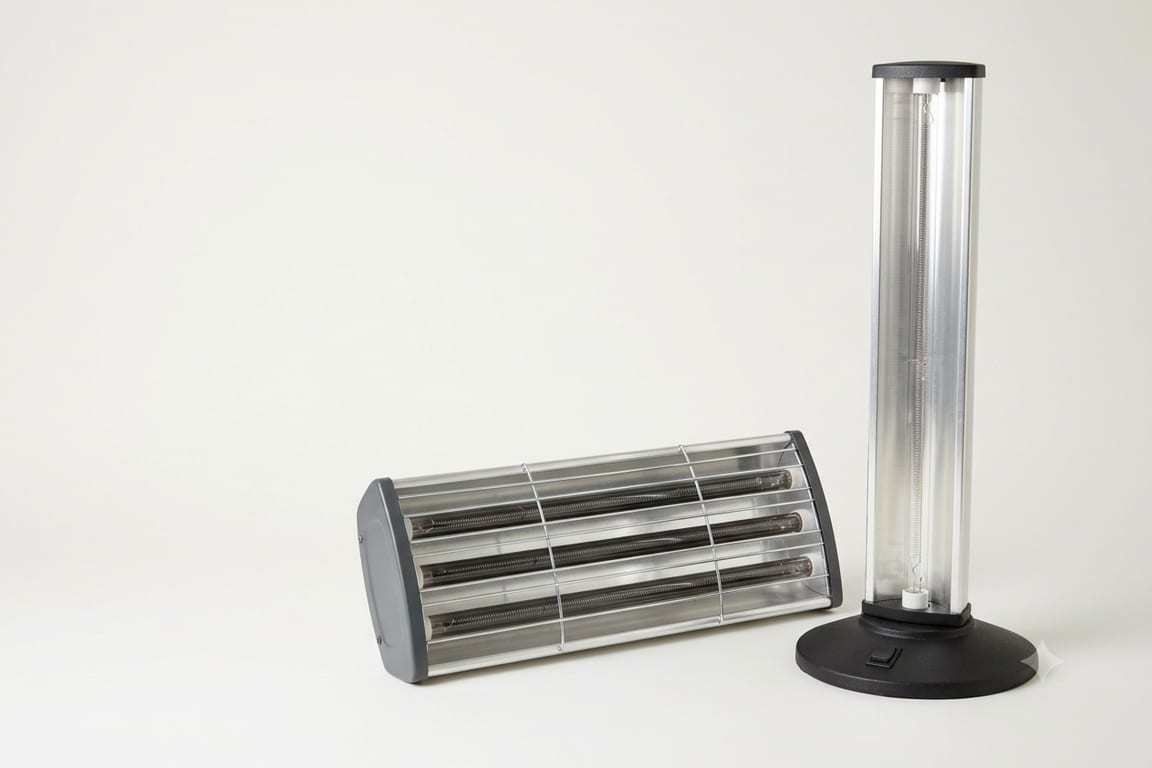
Quartz, halogen and ceramic radiant heaters
Heaters that work by radiation rather than by moving air. Assessed on guarding and on the temperature of anything the radiation falls on, not only on the appliance surface.
Fixed heaters, storage heaters and heating mats
Wall and ceiling heaters, night-storage heaters and underfloor heating mats. Installed products: the fixing, the enclosure it sits in and the floor build-up are part of the assessment.
Bathroom heaters and heated towel rails
Heaters intended for a wet room, including towel rails and combined heater-and-light units. The ingress rating and the installation zone decide the file before the heating does.
Each type is confirmed on its own classification and evidence. Which of them a single certificate can cover depends on how closely the constructions and test reports match.
Documents Required
- Product Details & Model List(with the rated power of each variant and whether it is portable or fixed)
- Datasheet & Manufacturer Details
- Lab Test Report(No report? We can arrange testing.)
- Commercial Invoice & Packing List(needed at the shipment stage, not to start)
The core set. On space heating the file also turns on the accessible surface temperatures measured in normal use and under the covered and obstructed faults, whether the thermal cut-out is of the self-resetting type, the presence of a tip-over switch on any portable appliance, the rating of the cord, plug and switch for continuous rather than intermittent duty, the ingress protection where the heater is for a bathroom, and the declared heat output and efficiency class. Which further documents apply varies with the confirmed classification and the model scope, so the full list is issued per file rather than per category.
Sample Certificate
Illustrative layout only — not an issued certificate, and not a reproduction of one. Certificates are issued by approved conformity assessment bodies, not by BenzilaCert.
Application Examples
Typical files in this product family and the support they call for. Illustrative scenarios, not completed engagements.
- Example 01
Maker shipping one heater in two wattages
An illustrative manufacturer sending a panel convector at two rated powers in the same housing. One housing, two declarations, because the covered and obstructed results do not carry across a change in rated power.
- Example 02
Distributor importing a seasonal mixed load
An illustrative distributor bringing in fan heaters, oil-filled radiators and heated towel rails on one invoice. The towel rails are separated first, because a wet-room appliance does not share a route with a portable one.
Get Your SABER Certificate
Send the Saudi HS Code if you have it, the product specification and a commercial invoice, and we will come back with the likely route and what is missing.
* Where applicable. Timelines and charges shown are indicative and subject to documentary review, and government and SADAD fees are separate from conformity body, testing and consultancy charges. The applicable Saudi regulation and the exact HS code must be confirmed from the product specification against the current SABER and ZATCA classification.
BenzilaCert is an independent consultancy providing application and documentation support. It is not SASO, SABER or a certificate-issuing authority, and does not issue conformity certificates.